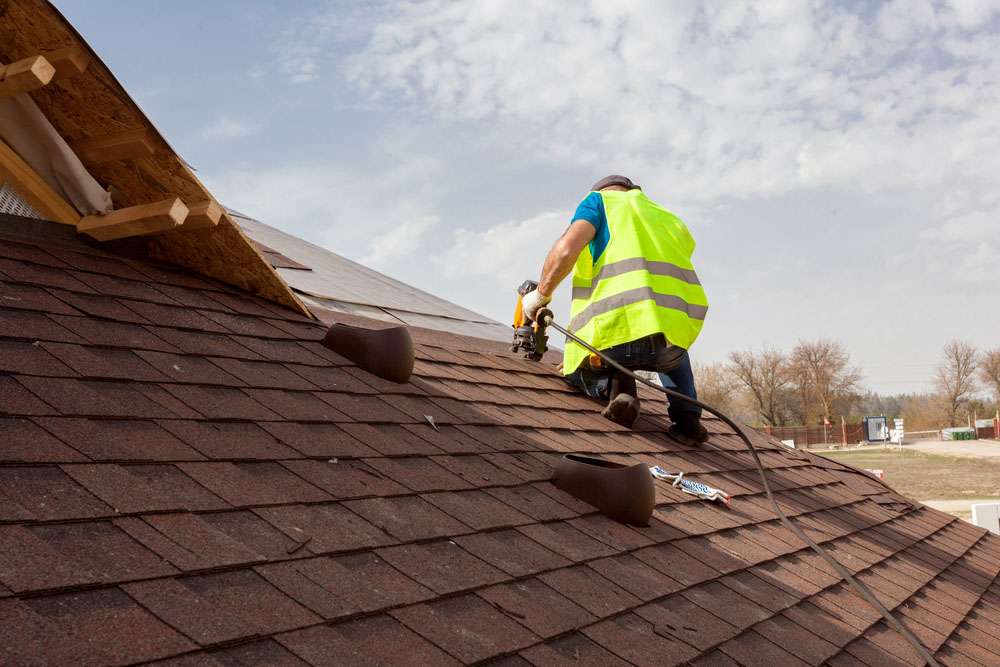
Roofing in the rain is usually not a good idea because wet conditions can create safety risks, slow down the job, and lead to roof problems later. At 2nd2None Roofing & Construction, we often hear homeowners ask if a roof can still be repaired or replaced during rainy weather. In some cases, we can handle small emergency repairs or place protective coverings over damaged areas. However, a full roofing project needs dry conditions so shingles, underlayment, and other materials can seal properly. Rain can also trap moisture under the roof surface, which may later cause leaks, mold, or wood damage. That is why we always focus on safe work, careful timing, and long-term roof protection instead of rushing through a project.
When it comes to getting a job done in the Huntsville Alabama area, timing is critical. When it comes to getting a new roof on your home or doing some repair work, this is even truer. So, it might be tempting to try and get the job done no matter what the weather is like. So many homeowners ask us, is roofing in the rain a good idea? And the short answer is no, for various reasons. Here are a few of the most important:
Table of Contents
- Can You Roof in the Rain?
- Why Roofing in the Rain Can Be Risky
- Safety is an issue
- Understanding the Dangers of Wet Conditions
- The Impact on Roofing Materials
- Reasons Why You Should Avoid Roofing in the Rain
- Tips for Avoiding Roofing in the Rain
- What Should I Do Instead?
- Why Hiring an Experienced Roofing Contractor Matters
- FAQs
Can You Roof in the Rain?
Many homeowners call us after a storm because they notice missing shingles, ceiling stains, or water coming into the house. During moments like that, most people want repairs done immediately. We completely get it because roof damage can feel stressful and urgent.
Still, roofing during rain is not always the best option. While we can handle temporary repairs during light rain, a full roof replacement should usually wait until the weather clears. Wet surfaces become slippery very fast, and moisture can get trapped under roofing materials once the old shingles are removed.
We always remind homeowners that a roof does much more than improve curb appeal. A roof protects the entire home from water, wind, heat, and storm damage. Because of that, every part of the installation process matters. If rain gets into the roof decking during the project, problems may start building beneath the surface long before anyone notices them.
Good roofing work takes planning, patience, and the right weather conditions. That approach helps us protect your home the right way instead of creating more issues later.

Believe us, we understand. When it’s raining outside, and you discover a leak in your roof, you want it repaired as quickly as possible. After all, who likes to have water dripping on their head? And there are many places where leaks can occur, including the ridge of a metal roof. But in the long run, fixing a roof in rain can cause more problems than it solves.
First, it puts your home at an increased risk for water damage. Often when an expert replaces your roof, portions of the roof are removed to expose the underside and the roofing support structure. This means that portions of your home are exposed to the elements as well. As you can imagine, that can lead to significant water damage.
Second, if the roof is being replaced, working in the rain will significantly decrease the overall integrity of the roof. In most cases, the adhesives used in roofing materials need to cure in a dry, relatively clean environment. Simply put, the shingles in your new roof won’t stay put if they are installed during a downpour.
Why Roofing in the Rain Can Be Risky
Rain affects almost every part of a roofing project. First, it creates dangerous working conditions for roofing crews. Next, it affects how roofing materials perform during installation. On top of that, moisture can damage the roof structure if water gets trapped under the shingles.
Some homeowners think a little rain is harmless during roofing work. However, even light moisture can create long-term issues if it reaches exposed wood or underlayment. In many cases, roof damage caused during wet installation may stay hidden for months before signs start showing inside the house.
As a result, we always pay close attention to weather conditions before starting major roofing work.
Read this Article- How Winter Weather Affects Your Gutters in Huntsville
Safety is an issue
Simply put, trying to repair or replace a roof in rainy weather is a terrible idea for safety reasons. When doing repairs at the top of a house is being done, having good traction is vital. If the rain is coming down, that available traction is reduced greatly, which can lead to a higher potential for slips and falls. That’s not something that you want while working twenty, maybe thirty feet off the ground.
Another factor with working in the rain that makes it a bad idea is that when there is rain, there is always the potential for lightning. While a thunderstorm may be a beautiful sight to behold while sitting on your back porch, it can literally be deadly when fixing a roof. It’s simply not worth the risk. In fact, even the city of Huntsville, Alabama says that a roofing company has to provide for the safety of their workers while on the job.
Safety always comes first during any roofing project. A dry roof already requires careful movement and attention. Once rain starts falling, the surface becomes far more dangerous. Wet shingles can become slick quickly, especially on steep residential roofs. Ladders may also lose traction during wet weather. At the same time, roofing crews often carry heavy materials and tools while moving across the roof surface. Because of that, even a small slip can lead to serious injuries.
Strong winds often arrive during storms as well. Those sudden gusts can make working conditions even more dangerous. Electrical tools also create added risk around water. At 2nd2None Roofing & Construction, we never believe in rushing through a project just to stay on schedule. Safe work conditions help us protect both our crew and your home.
Understanding the Dangers of Wet Conditions
Rain does not only affect the top layer of the roof. Water can quickly soak into exposed wood once shingles are removed. After that happens, moisture may stay trapped under the new roofing materials. That trapped moisture can slowly lead to mold, wood rot, weakened decking, and interior water damage. Sometimes homeowners do not notice the problem until they see ceiling stains or smell damp air inside the attic.
Storm damage already puts stress on a roofing system. Therefore, adding more moisture during installation only increases the risk of future problems. We always want homeowners to think long term. A roofing project should protect your home for years, not create hidden damage that appears later.
The Impact on Roofing Materials
Roofing materials need dry conditions for proper installation. Rain can affect how shingles seal and how underlayment sits beneath the roof surface. Asphalt shingles contain sealing strips that help lock the shingles into place. During wet weather, those strips may not bond correctly. Later, strong winds may lift loose shingles more easily.
Water can also affect roof decking and underlayment during installation. Wet materials may shift, wrinkle, or weaken over time. In addition, adhesives and sealants do not work as well during rainy conditions. We always tell homeowners that roofing is a major investment. Because of that, the installation process should never feel rushed or careless.
Reasons Why You Should Avoid Roofing in the Rain
There are several reasons why waiting for dry weather makes more sense for most roofing projects.
-First, roofing quality usually improves during dry conditions. Crews can move safely, materials stay protected, and installation becomes more accurate from start to finish.
-Second, moisture problems become less likely. Dry roof decking helps prevent mold, wood damage, and future leaks beneath the shingles.
-Third, roofing projects often move faster once weather conditions improve. Rain usually causes delays because crews must stop work repeatedly to protect exposed sections of the roof.
-Another important reason involves long-term roof life. Proper installation helps shingles last longer and perform better during future storms.
-Finally, safety should always remain the priority. Waiting an extra day or two is much better than risking injuries or poor workmanship.
Tips for Avoiding Roofing in the Rain
One of the best ways to avoid roofing problems during rainy weather is scheduling inspections early. Small roof issues often become much bigger once storm season begins.
We also recommend checking your roof after hailstorms or strong wind events. Missing shingles, damaged flashing, and small leaks can quickly turn into major repairs if they stay unnoticed.
Tree maintenance can help as well. Overhanging branches often damage shingles during storms, especially when heavy winds hit the area.
Another smart step involves planning roof replacement during more stable weather periods. While storms can happen anytime, good scheduling often helps reduce delays and moisture risks.
If storm damage does happen, we can also help inspect the roof and guide homeowners through the insurance claim process. Proper documentation often makes a big difference after severe weather.
What Should I Do Instead?
Never fear, there are alternatives available, now that you know the answer to the question of “can you roof in the rain?”. If your roof needs repair during the rainy weather in the summer and you’re in the Huntsville, AL area, call us to discuss what can be done. Often, we’ll start by placing a tarp over the leaky area to help prevent more water damage and wait for a window of dry weather to get the work done. Once mother nature gives us a sunny day or two, we’ll have your roof repaired and looking like new in no time at all.
If rain starts during a roofing project, the best step is protecting the exposed areas quickly. We usually place heavy-duty tarps over open sections to help prevent additional water damage until the weather improves. Homeowners should also keep an eye out for signs of moisture inside the house. Ceiling stains, damp insulation, or musty smells may point to hidden roof damage after a storm.
We never recommend climbing onto a wet roof without proper equipment and experience. Wet roofing surfaces become dangerous very quickly. Instead, it is always safer to call a trusted residential roofing contractor who can inspect the roof properly and recommend the right next steps.
Why Hiring an Experienced Roofing Contractor Matters
Roofing involves much more than laying shingles across the surface. Every roof needs proper ventilation, flashing, drainage, sealing, and moisture protection. At 2nd2None Roofing & Construction, we focus heavily on residential roofing because homeowners need dependable protection during every season. We know how quickly storms can damage a roof, especially after hail or strong wind events.
An experienced roofing contractor also knows when conditions are not safe for installation. Sometimes delaying the project is the smartest decision because it protects the roof quality and the home itself. We also help homeowners during the insurance claim process after storm damage. Good inspections and proper documentation can help prevent important damage from getting overlooked.
Our goal is simple. We want every homeowner to feel confident that their roof is built to last and ready for future storms.
FAQs
How long after rain can you do roofing?
Roofing work should begin after the roof surface dries completely. Drying time depends on sunlight, humidity, temperature, and roof slope. Most roofing crews prefer several dry hours before starting installation.
What do roofers do if it starts to rain?
If rain begins during a project, we quickly protect exposed roof areas using tarps and waterproof coverings. After that, we wait for safer weather conditions before continuing major roofing work.
Are there signs before a roof collapses?
Yes. Sagging ceilings, roof dips, cracked walls, water stains, and unusual creaking sounds may point to serious roof damage that needs immediate inspection.
How many years does a roof usually last?
Most asphalt shingle roofs last between 20 and 30 years. Roof lifespan depends on weather exposure, installation quality, ventilation, and regular maintenance.
What Happens If It Rains While Installing a New Roof?
Rain can soak exposed roof decking and underlayment during installation. Consequently, trapped moisture may later cause leaks, mold growth, or wood damage beneath the shingles.
Can Roofers Install a Roof in the Rain?
Small emergency repairs may happen during light rain. However, full roof replacement should usually wait until dry weather returns because wet conditions create safety and installation risks.
Will insurance cover rain damage during roofing?
Insurance coverage depends on the cause of damage and policy details. Storm-related roof damage often qualifies for coverage if proper inspections and documentation support the claim.
Protect your home before small roof problems grow bigger. Contact 2nd2None Roofing & Construction today for trusted residential roofing and storm damage solutions.

0 Comments