
When checking for storm issues, many property owners only look for completely missing shingles or massive, obvious water leaks inside the home. However, minor storm impacts often go unnoticed, leading to rot beneath your asphalt shingles that slowly destroys your decking over time. As one of the premier Roofing Companies in Huntsville Al, we know that finding hidden issues early protects your hard-earned money and keeps your family fully safe. We use our field experience to identify these subtle weak spots before they turn into major structural emergencies. Our goal is to bring absolute clarity to your residential upkeep and ensure your insurance claims cover every bit of real weather damage.
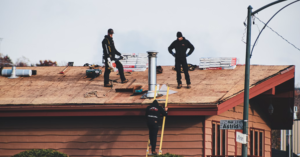
It is easy to walk out into your yard after a bad thunderstorm, glance up at your roof, and assume everything is fine because you do not see bare wood. Residential shingle roofs wear down in very quiet, deceptive ways that are almost impossible to spot from the ground without professional training. Water is remarkably patient and can travel along the underside of your roof panels before dripping onto your ceiling drywall. Understanding where these hidden issues start can save you from a sudden, stressful roof replacement down the road. Let us look at what really happens on your roof after our local weather takes a swipe at it.
Table of Contents
- The Silent Threat of Micro Fractures and Bruising
- Why Do Vent Pipe Boots Fail Before Your Shingles?
- The Hidden Problem of Loose Fasteners and Structural Shifts
- Five Critical Spots Homeowners Fail to Check
- Smart Moves to Protect Your Investment Long Term
- Frequently Asked Questions
The Silent Threat of Micro Fractures and Bruising
Hail damage rarely looks like a giant hole in your roof; instead, it shows up as a soft spot called a bruise. When a hailstone hits an asphalt shingle, it knocks away the protective outer stone granules and crushes the fiberglass mat inside. From the ground, the shingle looks completely normal, but the core structure is already broken. Once the hot sun bakes that bruised area, the asphalt dries out, cracks open, and allows water to seep directly through the surface during the next storm.
Wind damage is another major issue that behaves like a quiet thief on your roofline. Strong gusts can lift a shingle tab just enough to break the sticky factory glue seal underneath without tearing the shingle away. Once that seal breaks, the shingle flaps up during heavy rains, letting water drive straight under the protective layer. When the wind dies down, the shingle lays flat again, hiding the fact that your roof is now wide open to leaks.
Many local families rely on out-of-town workers who arrive right after a bad storm to check their property. These fast inspections often miss subtle wind lift and hail bruising because the workers want to move on to the next house quickly. Working with a dedicated team of Roofing Companies in Huntsville Al ensures that your home gets a thorough check by someone who understands our local weather patterns. We take the time to run our hands over the shingles and find the true extent of the damage so your insurance provider treats you fairly.
Why Do Vent Pipe Boots Fail Before Your Shingles?
The small pipes sticking out of your roof are essential for your indoor plumbing, but they are also a major source of hidden leaks. Workers seal these pipes using a rubber and metal collar called a vent boot to keep water out. While a high-quality architectural shingle can easily last for decades, standard rubber boots usually dry out and crack within ten years due to intense sun exposure.
When the rubber splits, rainwater runs straight down the outside of the plumbing pipe and enters your attic space. This leak often bypasses your main ceiling drywall and runs down the inside of your walls, causing hidden mold growth and rotting your structural wood framing. Homeowners often blame their shingles for a leak when a simple, inexpensive rubber boot replacement was all that was needed to keep the home completely dry.
The Hidden Problem of Loose Fasteners and Structural Shifts
- Backed Out Roofing Nails: Over time, the natural expansion and contraction of your wooden roof deck can push nails upward, lifting the shingle above them and creating a tiny water tunnel.
- Granule Loss in Valley Centers: The heavy rush of water through your roof valleys strips away the protective stone coating faster than any other area on your house.
- Soffit Inflow Blockages: Heavy insulation or animal nests can block your lower roof vents, trapping extreme heat that cooks your shingles from the inside out.
- Gutter Fastener Separation: Heavy, clogged gutters pull away from the fascia board, allowing water to overflow backward and rot the wooden edge of your roof frame.
- Dormer Corner Cracks: The sharp angles where vertical walls meet your sloped roof are highly prone to shifting, which tears the protective metal seals apart.
Five Critical Spots Homeowners Fail to Check
- The Backside of the Chimney: Water always pools behind a brick chimney, making the hidden upward slope a prime spot for wood rot and leaks.
- Sky Light Rubber Seals: The clear windows on your roof face the direct sun all day, causing the protective glue surrounding the glass to crack and leak early.
- Shingle Overhang at the Eave: If your shingles do not stick out far enough past the metal drip edge, rainwater will run backward and ruin your trim boards.
- Low Slope Porch Connections: The exact line where a steep roof meets a flatter porch roof often collects wet leaves that trap moisture against the wood.
- Downspout Splash Blocks: If your downspouts drop water right at the base of your house, the ground will saturate and cause your foundation to shift.
Smart Moves to Protect Your Investment Long Term
Taking care of a home means staying ahead of the weather instead of reacting after a disaster occurs. Homeowners can use a pair of binoculars to safely check their roofline from the ground after a major storm without climbing a dangerous ladder. Look for uneven shadow lines along the shingle courses, as this often indicates that wind has lifted the tabs or backed out nails are pushing through the material.
Keeping your gutters completely free of leaves and debris is another simple way to protect the edge of your roof structure. When water moves freely through your downspouts, it never has the chance to pool against your wooden framing or soak the ground around your foundation. Small, regular maintenance steps keep your roof operating at peak performance and ensure your family stays safe and dry through every season.
Frequently Asked Questions
How can I tell if my shingles are losing their protective stones without climbing on the roof?
You can easily check the health of your shingles by looking inside your gutter tracks and underneath your downspout exits. If you find heavy piles of black, sand-like grit washing out after a rainstorm, your shingles are shedding their protective granule coating and becoming vulnerable to sun damage.
Will my homeowners insurance cover a roof leak caused by an old, cracked rubber vent pipe boot?
Most insurance policies focus on sudden, accidental storm damage rather than normal wear and tear or lack of maintenance. While they will likely cover wind-torn shingles, a leak caused by a dried-out rubber boot is often considered a maintenance issue that must be paid for out of pocket.
Why is it dangerous to let a contractor nail new shingles directly over my old, existing roof layer?
Nailing new shingles over old ones traps heat between the layers, which bakes the new material and cuts its lifespan in half. This lazy shortcut also prevents the crew from checking the wooden decking underneath for hidden rot, meaning you could be building a new roof on top of a failing structure.
How does a lack of proper airflow in my attic space cause my shingles to fail early?
When fresh air cannot circulate through your attic, summer heat gets trapped under your roof deck, raising attic temperatures well over one hundred and forty degrees. This extreme heat literally bakes the shingles from the bottom up, destroying the adhesive strips and causing the edges to curl and crack prematurely.
Final Remarks
We built 2nd2None Roofing & Construction on a foundation of absolute honesty, neighborly care, and elite residential roofing work. We never use high-pressure sales tactics or confuse you with complicated jargon because we treat your home exactly like it belongs to our own family. Our skilled team focuses entirely on high-quality residential shingle installations, practical roof repairs, and standing as your personal expert advocate during stressful insurance claims. We know how to spot the hidden storm damage that adjusters miss, ensuring your home gets the complete protection it deserves. Instead of waiting for a small, hidden leak to turn into an expensive home emergency, let us bring you true peace of mind. Give us a call at (256) 479-7575 today to schedule your free, honest roof checkup.
0 Comments