
Best roofers in Huntsville focus on fast hail and wind damage repair that actually solves the problem instead of covering it up. Storm damage is rarely just about what you see on the surface. Hail bruises shingles, wind loosens seals, and small weaknesses begin spreading quietly across your roof. A quick fix without proper inspection often leads to repeat issues within months. What homeowners really need is a sharp eye, fast response, and repairs that hold up through the next storm.
That’s where trusted local experts like 2nd2None Roofing & Construction stand out, combining over 15 years of hands-on experience with thorough inspections and insurance-backed repair solutions.
That combination protects your home, your time, and your money.
Table of Contents
- Storm Damage Isn’t Always Loud or Obvious
- Why Some Roofs Fail Faster After the Same Storm
- What Really Happens to Shingles During Hail and Wind
- The Hidden Timeline of Roof Damage
- A Smarter Way to Handle Storm Repairs
- How Insurance Can Work For You, Not Against You
- Why Speed Alone Isn’t Enough
- Conclusion
- FAQs
Storm Damage Isn’t Always Loud or Obvious
Not every storm leaves dramatic signs behind. No fallen branches, no missing sections, no immediate leaks. Everything may look fine from the ground.
That calm look can be misleading.
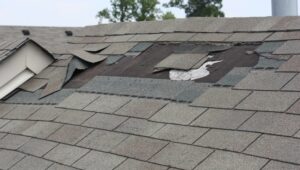
Hail often creates soft impact points that weaken shingles without cracking them open right away. Wind can break the adhesive seal that keeps shingles tight, even if they still appear in place. Over time, those areas become entry points for water.
Damage like that does not demand attention immediately. It waits, then it spreads.
Why Some Roofs Fail Faster After the Same Storm
Two homes sit side by side through the same storm. One holds up well. The other starts leaking weeks later. That difference comes down to condition, not luck.
Older shingles lose flexibility. They cannot absorb hail impact the same way newer materials can. Previous repairs may have created uneven surfaces where wind grabs more easily. Poor installation from the past also plays a role.
Storms do not treat every roof equally. They expose weak spots that already existed.
That is why inspection matters more than assumptions.
What Really Happens to Shingles During Hail and Wind
Hail does more than leave marks. It strips away the protective granules that shield shingles from sunlight and moisture. Without that layer, shingles age faster and become brittle.
Wind works differently. It targets edges and corners, lifting shingles just enough to break their seal. Once that seal is gone, each future gust makes the problem worse.
Neither type of damage fixes itself. Both continue to grow quietly until a visible issue appears.
The Hidden Timeline of Roof Damage
Storm damage does not follow a predictable schedule. Some problems show up within days. Others take weeks or even months.
A small hail impact today can turn into a leak after repeated exposure to heat and rain. A loosened shingle may stay in place for a while before finally shifting enough to let water in.
That delay often creates confusion. Many homeowners do not connect the damage back to the original storm.
Early inspection removes that uncertainty and keeps small issues from turning into major repairs.
A Smarter Way to Handle Storm Repairs
Fast service matters, yet speed without precision leads to repeat problems.
A smarter approach starts with a detailed inspection, not a quick glance. Every slope, edge, vent, and flashing point needs attention. Storm damage rarely affects just one area.
Repairs should match the actual condition of the roof. Replacing a few shingles may be enough in some cases. Other situations call for deeper work beneath the surface.
Clear communication makes a big difference. You should know what was found, what needs fixing, and why it matters. No guesswork or confusion.
How Insurance Can Work For You, Not Against You
Insurance claims often feel like a second storm. Paperwork, inspections, and back-and-forth conversations create frustration.
A strong claim starts with accurate documentation. Photos, detailed reports, and clear timelines help show the full extent of damage. Without that, important issues may get overlooked.
Guidance during the process keeps things moving in the right direction. Adjusters rely on what they see and what gets presented clearly. That is where proper support makes a real impact.
With the right approach, insurance becomes a helpful tool instead of a roadblock.
Why Speed Alone Isn’t Enough
Fast response gets attention, yet long-term results depend on how repairs are handled.
Quick patchwork might stop a leak for now, but it rarely addresses underlying damage. That leads to repeat calls, more expenses, and added stress.
Quality repairs focus on durability. Materials must blend with the existing roof. Installation must hold up through future storms.
The goal is not just fixing today’s problem. The goal is preventing tomorrow’s.
Conclusion
Best Roofers in Huntsville bring more than quick fixes. You get careful inspection, honest guidance, and repairs built to last through real weather conditions. At 2nd2None Roofing & Construction, your roof gets treated like it protects something that matters, because it does. You are not left guessing, and you are not pushed into work you do not need. If hail or wind has passed through your area, now is the right time to act. Reach out and get your roof checked before small issues turn into something much bigger.
FAQs
Can a roof look fine from the ground and still have serious damage?
Yes, many forms of storm damage remain hidden from ground view. Loose seals, minor lifts, and granule loss are difficult to spot without close inspection, yet they can significantly reduce the lifespan of your roof and lead to future problems.
Is it possible for wind to damage a new roof?
Wind can affect both new and older roofs if conditions are strong enough. Even newer shingles can lose their seal under pressure, especially along edges or ridges, which makes professional inspection important after severe weather conditions.
How do I avoid getting unnecessary roof work after a storm?
A detailed inspection with clear documentation helps separate actual damage from normal wear. Honest evaluation focuses only on what needs repair, allowing you to avoid spending money on services that do not provide real value or long-term protection.
What makes storm damage repairs last longer than temporary fixes?
Long-lasting repairs focus on addressing root causes rather than surface issues. Proper sealing, correct material matching, and attention to surrounding areas ensure that repaired sections perform consistently and hold up better against future storms.
0 Comments